
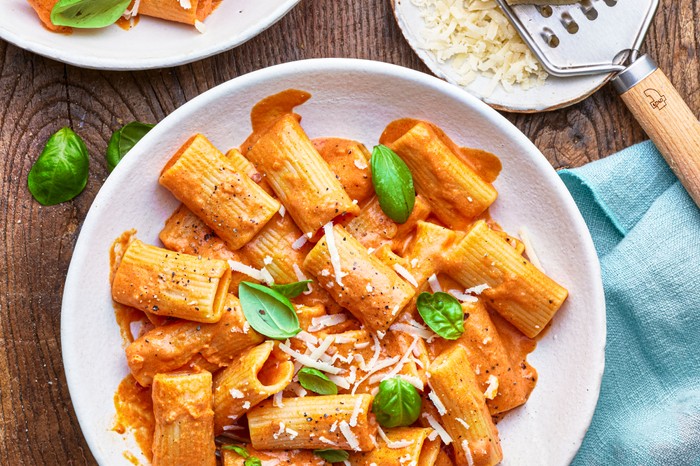

In all of its variations, pasta is a universal representation of coziness, inventiveness, and culinary skill. It’s a canvas that embodies decades of history, local pride, family secrets, and the aroma of fresh ingredients blending to create a symphony of flavor. It’s more than just food on a plate. Making a pasta meal that is genuinely memorable requires more than just following a recipe; it also requires understanding the essence of this simple yet profound creation. Pasta, whether it’s a rich, layered lasagna or a simple bowl of spaghetti aglio e olio, provides a sense of fulfillment that cuts beyond boundaries, time, and language.
The pasta itself is the foundation of any pasta recipe. Pasta is one of the most basic yet adaptable dishes in the world. It is made from durum wheat semolina and water, and is frequently enhanced with eggs. Its development from dough into beautiful spirals, ribbons, or shells is evidence of the creativity and talent of many generations of chefs. Although store-bought pasta is commonly used and works well in most recipes, creating your own pasta is a fulfilling experience that ties you to a long history of cooking by hand. It’s almost meditative to feel the flour under your palms, incorporate the eggs gradually, knead in time, and then roll out into sheets or strands. Pasta cooked fresh absorbs sauce more intimately, cooks more quickly, and has a more soft texture.
The magic starts in the kitchen when the sauce is made, whether the pasta is fresh or dried. Pasta becomes more than just carbohydrates at this point; it becomes art. Pasta is a product of Italian cuisine, which has produced innumerable sauces with distinct personalities for the world to enjoy. The most basic, such as garlic and olive oil or tomato basil, depend only on the quality of their ingredients. Ripe, sweet tomatoes, ideally San Marzano, should be cooked gently with garlic, onion, olive oil, and fresh basil to make a delicious tomato sauce. The inherent umami of the tomatoes and the freshness of the herbs are exploding in every bite of this sauce, which, when properly seasoned, clings to pasta in a vivid embrace.
Sauces like carbonara, Bolognese, or Alfredo offer decadent sensations for a richer choice. For instance, a traditional Bolognese sauce is more than just a beef sauce. The ingredients—ground beef and pig, carrots, celery, onion, tomatoes, wine, and milk—are cooked slowly for hours until the flavors combine to create a rich, flavorful ragu. Pasta with wide ribbons that catch every morsel of meat and flavor, such as pappardelle or tagliatelle, are ideal for these rich sauces. A popular dish in Rome, carbonara is surprisingly easy to make with just eggs, Pecorino Romano, guanciale, and black pepper, but it calls for accuracy. The careful cook is rewarded when the pasta’s heat slowly cooks the eggs into a creamy covering without scrambling.
Pasta, however, is no longer exclusively Italian. Pasta has been embraced and reimagined in various ways by home cooks and professionals worldwide. Pasta has evolved into a culinary bridge, from Eastern-inspired variations with soy, sesame, and ginger to fiery arrabbiata variants flavored with crushed pepper. For instance, curry leaves, mustard seeds, turmeric, and a touch of garam masala are frequently sautéed with pasta in Indian kitchens to create a dish that is both familiar and completely unique. Pasta’s versatility, which embraces innovation while honoring history, is what has made it a favorite food around the world.
The pasta’s actual cooking is a crucial stage that needs care. Overcooking it is a common mistake made by many. When pasta is “al dente”—firm to the bite—it has been cooked in well-salted water. In contrast to overcooked noodles, this texture offers the pasta a satisfying resistance and helps it maintain its shape with each bite. Another secret ingredient for the ideal pasta is the starchy water used to boil it. When a little of this water is added to the sauce, it emulsifies and sticks to the pasta more easily, producing a smooth and unified finish. A cup of pasta water is always set aside for this use by skilled cooks, who use it as a secret weapon to change the dish.
Pasta’s infinite combinations are among its most lovely features. It takes art, science, and tradition to match the appropriate pasta shape with the right sauce. While chunky, tubular noodles like rigatoni or penne pair well with richer, meat-based sauces, long, thin noodles like spaghetti or linguine are excellent for light sauces. Another level of intricacy is added by stuffed pastas, such as ravioli or tortellini, which can have fillings ranging from braised beef and mushroom truffle to spinach and ricotta. A new dimension of flavor and texture can be explored with each shape and filling.
The supporting ingredients—cheese, oil, herbs, and finishing touches—are essential to making a full pasta dish. A generous grating of Pecorino Romano or Parmigiano Reggiano may turn an ordinary dish into something special. Richness and depth are added with a dab of butter or a drizzle of extra virgin olive oil. While a teaspoon of chili flakes or crushed black pepper adds a slight spice, fresh herbs like basil, parsley, or thyme add color and brightness. A simple serving of spaghetti is elevated to a gastronomic experience by these careful touches.
Additionally, pasta has a specific position in the tradition of celebration and gathering. It is a meal that is frequently shared, passed around with stories and laughter, and served in big bowls in the middle of the table. Pasta is not hurried in Italy. It is enjoyed, frequently as an appetizer before the main dish, and it exudes friendliness and warmth. Eating a fresh bowl of spaghetti brings a pause, a moment of warmth and connection, even in today’s hectic, fast-paced lives.
Pasta represents an extensive cultural legacy in addition to its taste and adaptability. Pasta is ingrained in the identities of the places that invented it, from the busy pasta shops of Naples to the handcrafted orecchiette of Puglia, from the smooth tagliatelle of Bologna to the sea-kissed linguine alle vongole of the Amalfi Coast. A tale of location, climate, economy, and tradition is told by each shape and recipe. A rolling pin, pasta cutter, or a nonna’s skilled hands are just a few examples of the techniques and equipment that are handed down through the centuries like heirlooms.
Pasta has also been incorporated into contemporary culinary experiments in recent years. Around the world, chefs have experimented with color, texture, and technique. They have stuffed pasta with unusual ingredients like foie gras or beetroot, infused it with squid ink for a striking black tint, or combined it with molecular gastronomy techniques. However, the essence of pasta has not changed despite these daring modifications. Fundamentally, everything still comes down to heart, quality, and balance.
Pasta that is healthier has also become more popular. Pastas made from whole wheat, lentil, quinoa, and gluten-free ingredients are increasingly widely accessible and satisfy a variety of dietary requirements. These substitutes are deliberate improvements on the traditional dish, not concessions, provided they are prepared with care and the appropriate sauce.
In all its splendor, pasta remains a source of creativity, joy, and sustenance. From simple weeknight dinners to lavish weekend feasts, it changes with the seasons (spring for light primavera variants, winter for heavy baked pastas). It provides comfort in simplicity, encourages boldness in flavor, and teaches patience in preparation. Whether you’re cooking for a large group of people or just yourself, the process of creating pasta—selecting the ingredients, heating the water, and stirring the sauce—is an act of love.
In summary, pasta’s beauty is found in the people, the process, and the love that go into making it, not just in the recipe. It is a food that belongs as much to the hands that prepare it as it does to the lips that enjoy it, and it embraces both tradition and creativity. Making the ideal pasta dish involves more than just cooking; it involves creating, tasting, sharing, and remembering. And there is a timeless tale to be told in every ravioli pocket, every piece of penne, and every swirl of spaghetti.